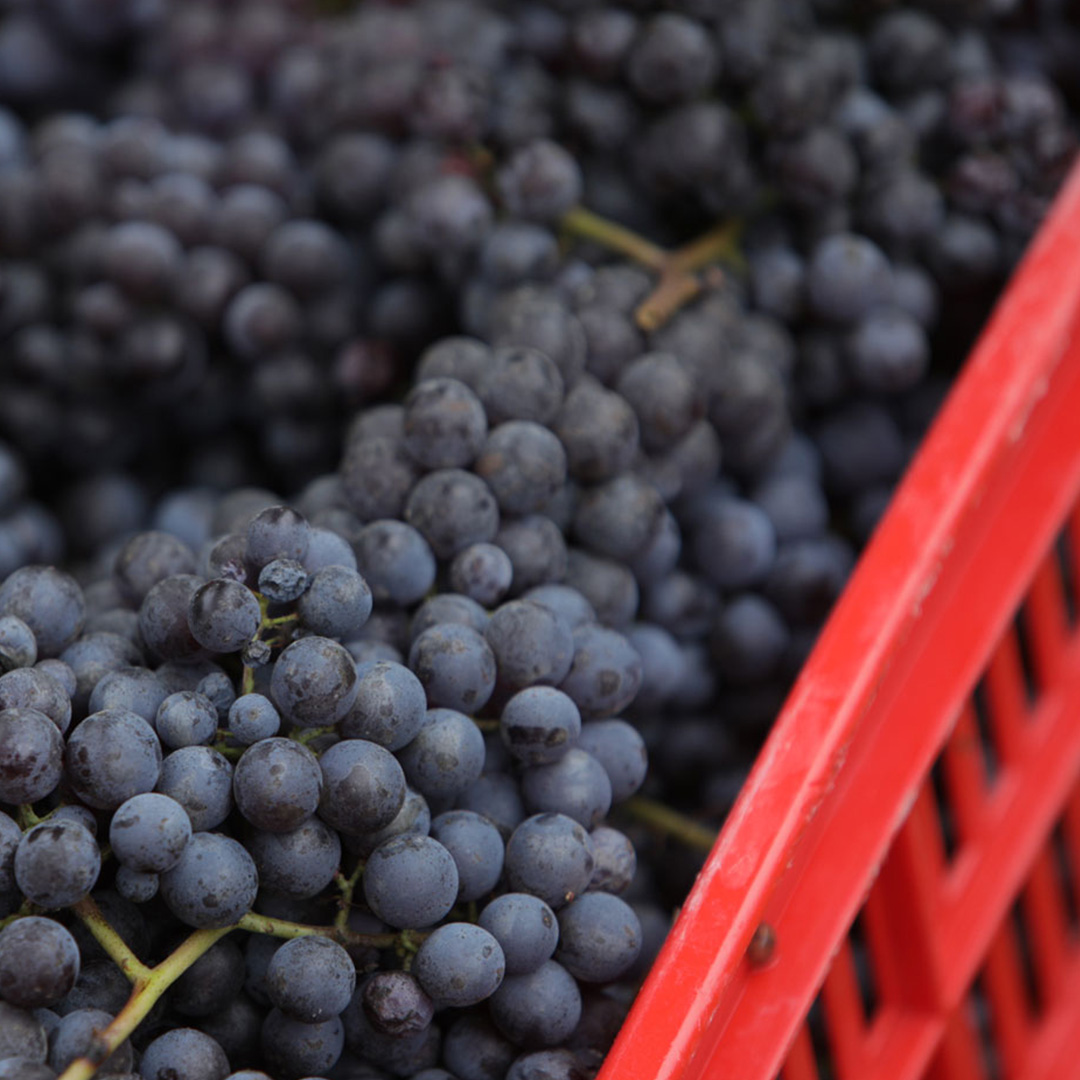
The 2017 harvest has come to an end, and here in the Langhe it is time for the first assessments.
The 2017 vintage will undoubtedly be remembered as one of the earliest of recent years. The Nebbiolo harvest, which began around mid-September, was already completed by early October—about two weeks ahead of the usual schedule. This early timing had been foreshadowed as early as spring, when high temperatures encouraged particularly rapid vegetative growth, if not already by the previous winter, which was marked by mild weather and limited snowfall.
The sudden drop in temperatures at the end of April—especially during nighttime hours—caused frost damage in several areas, particularly in valley floors and the coldest parts of the hillsides. However, this did not compromise vine development in our territory.
From May through the end of August, conditions in the Langhe, as in much of Italy, remained stable, with a prolonged period of fine weather characterized by very high daytime temperatures and cooler nights compared to other hot vintages. This resulted in excellent phytosanitary conditions. The long-awaited rains, which arrived between late August and early September, helped partially restore water balance in the grapes.
Further enhancing the quality of the 2017 vintage was the temperature drop in early September, with significant day–night temperature variations. This proved particularly beneficial for the polyphenolic profile of black grape varieties with medium-to-long growing cycles, such as Nebbiolo and Barbera. This factor marked a clear difference compared to other hot vintages, resulting in improved values both in terms of quantity—anthocyanin and tannin accumulation—and extractability, a key element for wines destined for ageing.
Despite its early timing, the 2017 vintage recorded an average vegetative cycle length. While in other early and hot years the period from bud break to technological maturity averaged around 170 days, and in later vintages around 200 days, this year reached an average of 185 days. This allowed the vines to complete their development fully.
The 2017 harvest therefore leaves the Langhe with a precious oenological legacy: wines with long-term potential, average alcohol levels—particularly in Dolcetto- and Nebbiolo-based wines—good pH balance, and relatively low total acidity. We can only be satisfied with this vintage and look forward to sharing it with you very soon.
Mauro Vioglio
Winemaker, Tenuta Cucco