Terroir

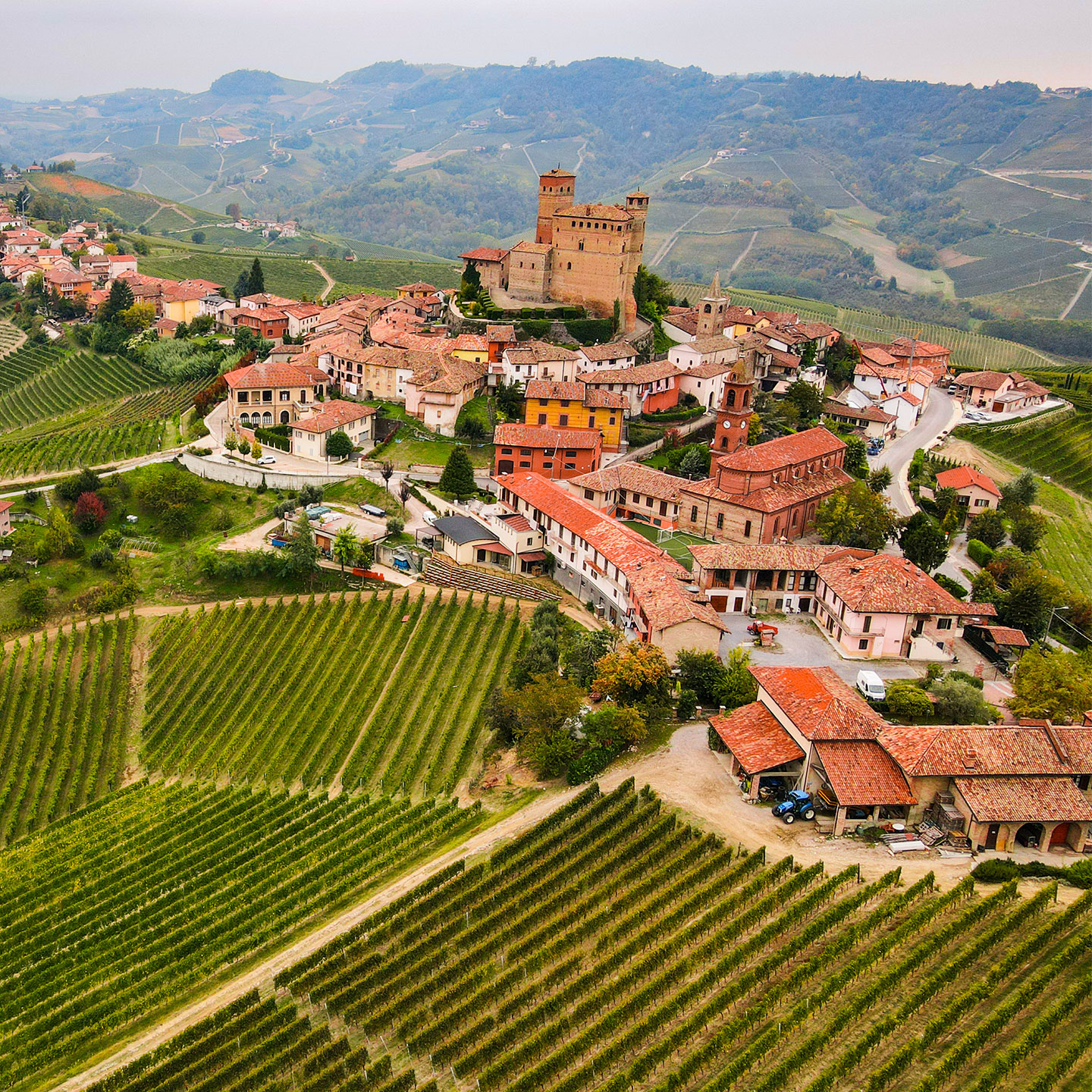
Let’s look at the map of Barolo. We head southwest, here is Serralunga d’Alba, its unmistakable castle, the village that huddles around the tower and the perfect circles of vineyards that reach the doorsteps of the houses.

img

The Vineyards

The name of Serralunga d’Alba is renowned for three essential reasons: the remarkable ageing potential of its wines; the very ancient tradition of Nebbiolo plantings; and its unique microclimate which benefits the vineyards on its hills through variations in average temperature, humidity, and wind.

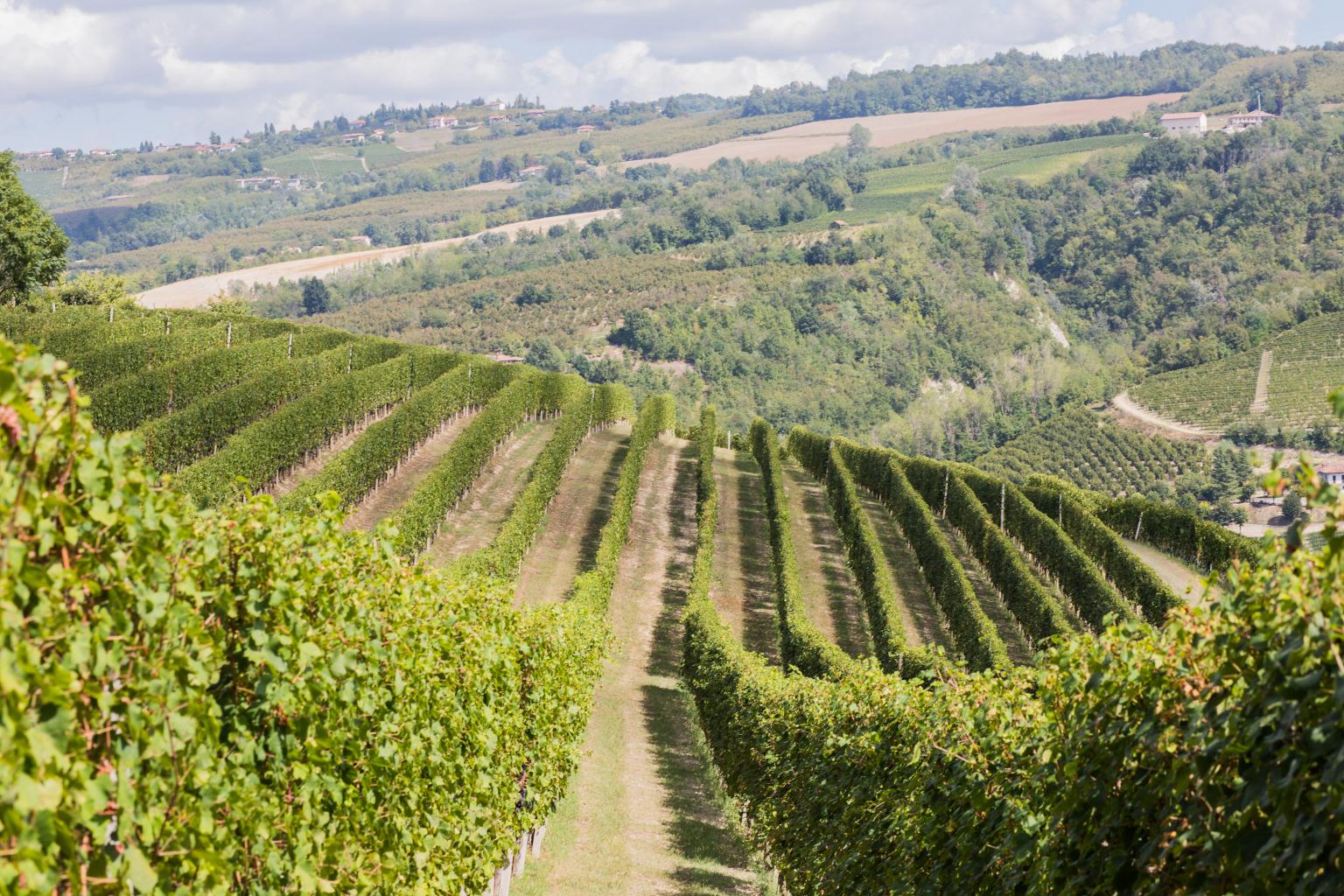
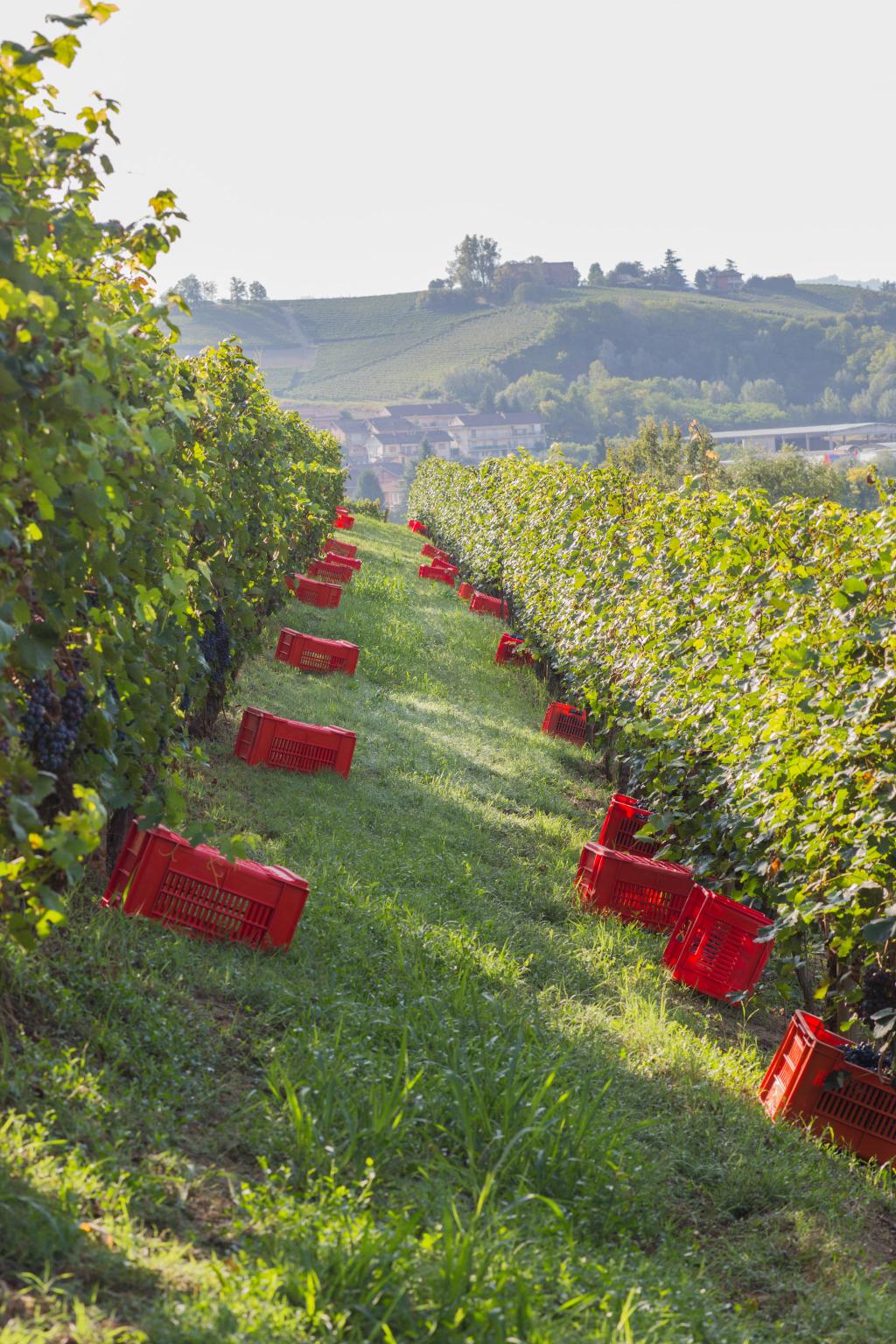
This is where Tenuta Cucco’s vineyards are found, in the heart of the oldest soils of Barolo. They enjoy a further privilege: their higher altitude, around 400 metres, which enhances Nebbiolo’s tannins and guarantees an excellent diurnal temperature range, essential for perfect grape ripening.

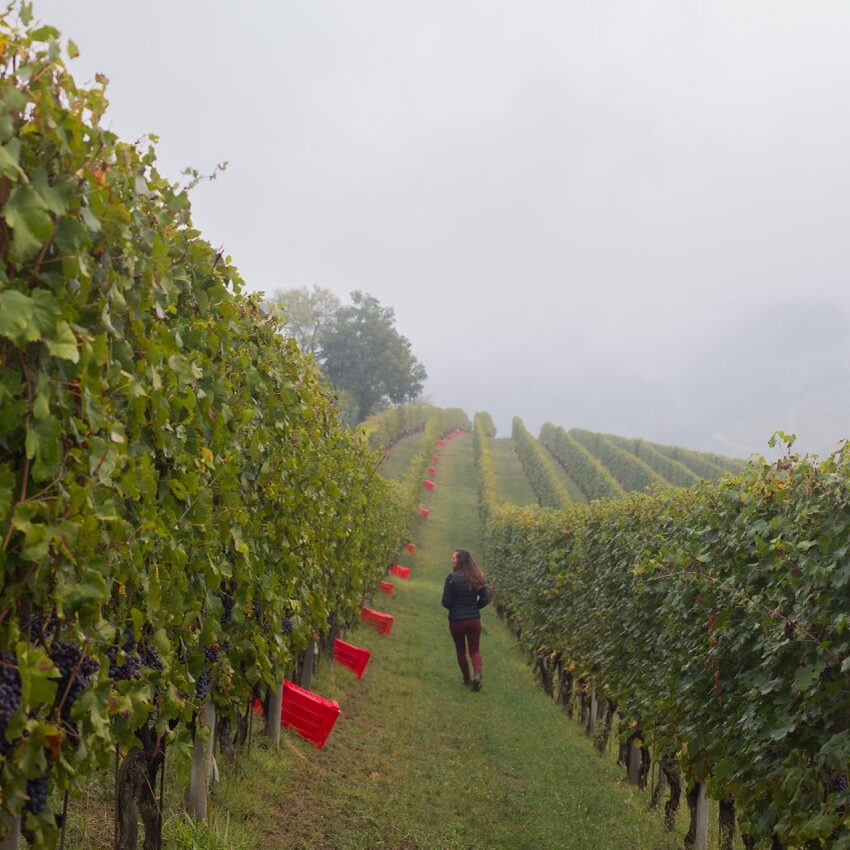
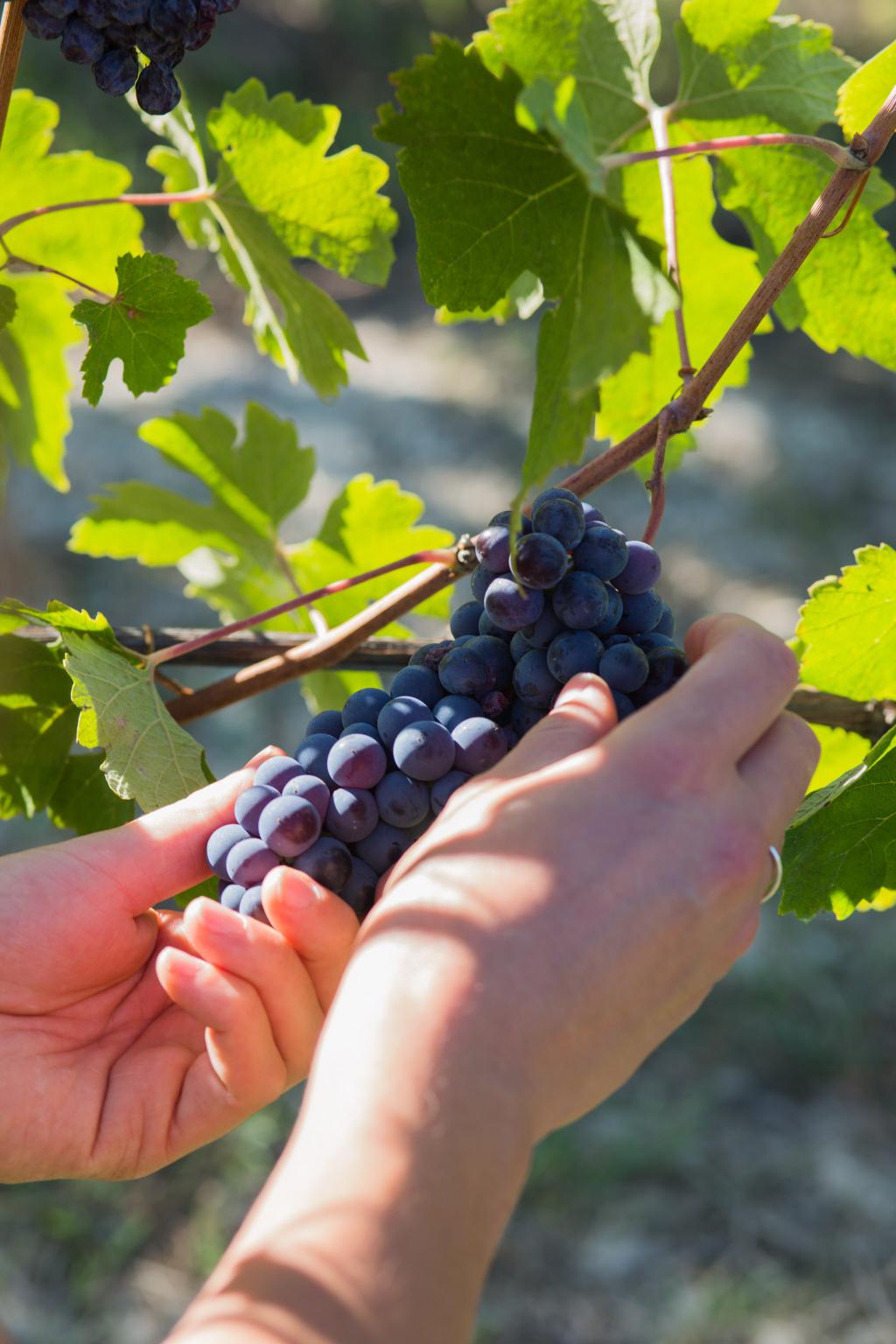
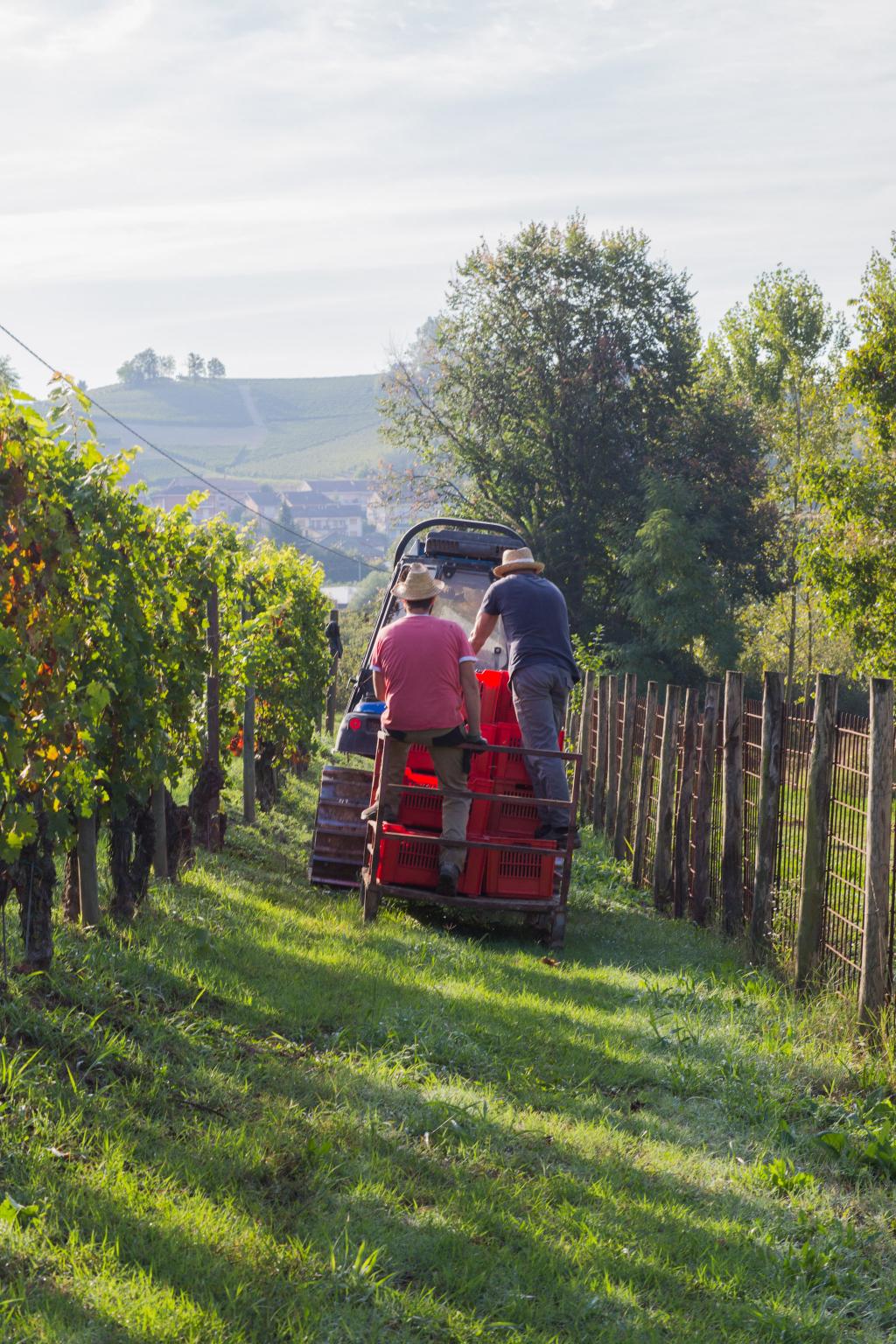
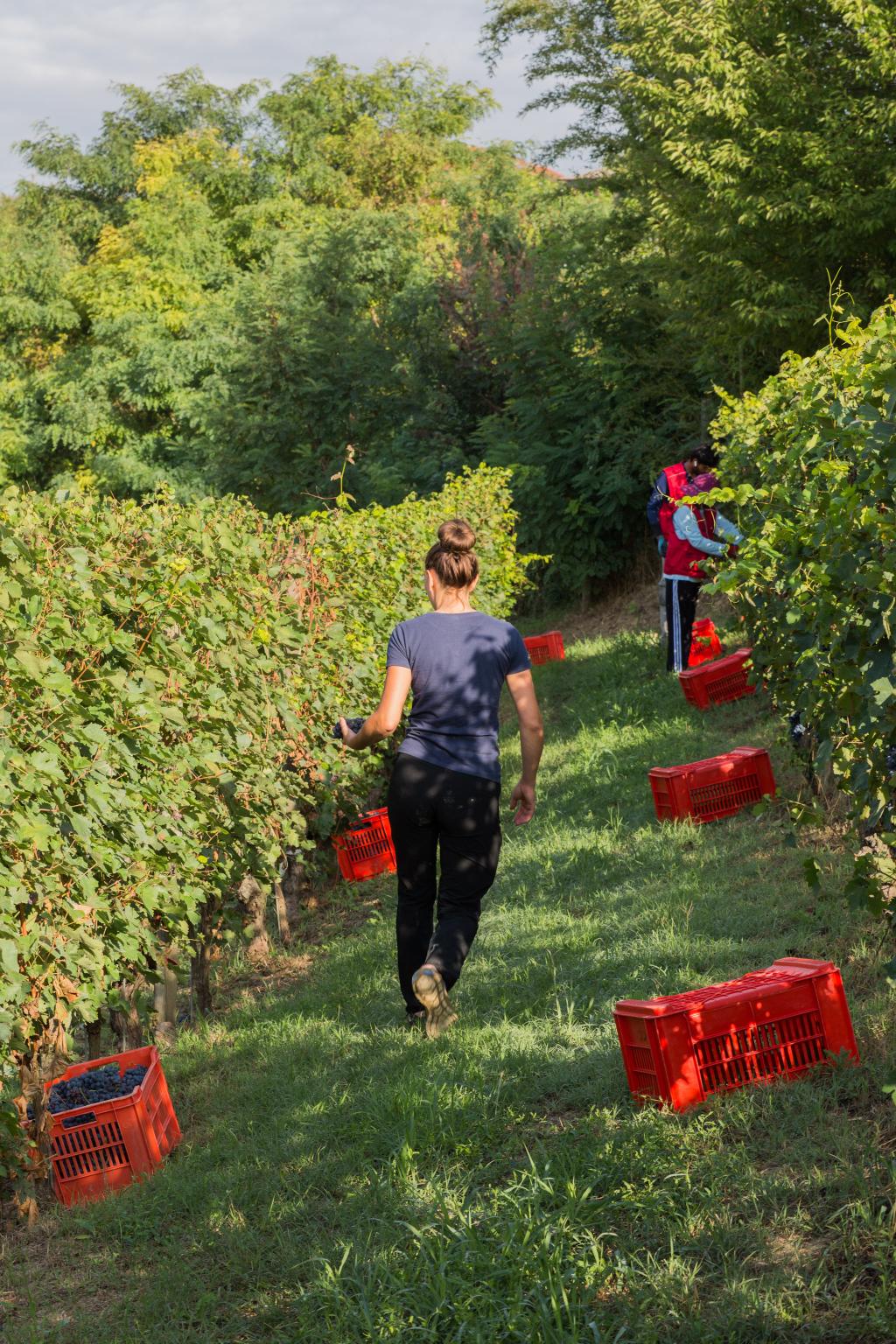
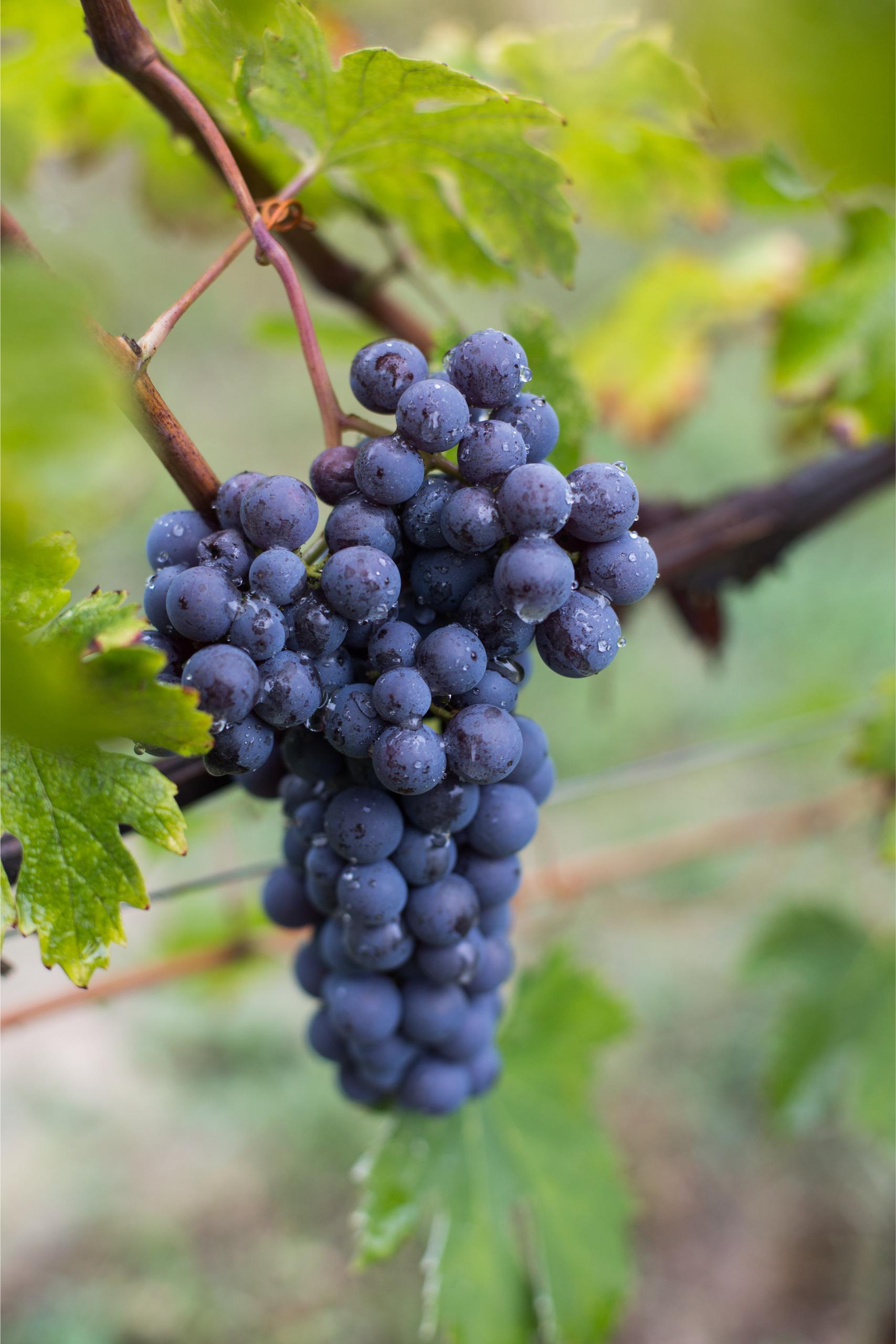
In the vineyards of Serralunga we farm Nebbiolo used to produce Barolo. The parcels differ in age – between 20 and 40 years – and in exposure, along the natural curve of the hillside. All are managed with deliberately low yields and parcel-by-parcel harvesting, exclusively by hand in crates, varying from vintage to vintage, to ensure the fullest expression of every single cluster.

Other vineyards, between Serralunga d’Alba and Roddi, are dedicated to producing Langhe Nebbiolo, Barbera d’Alba, Langhe Chardonnay and Langhe Rosato.

Vigna Cucco

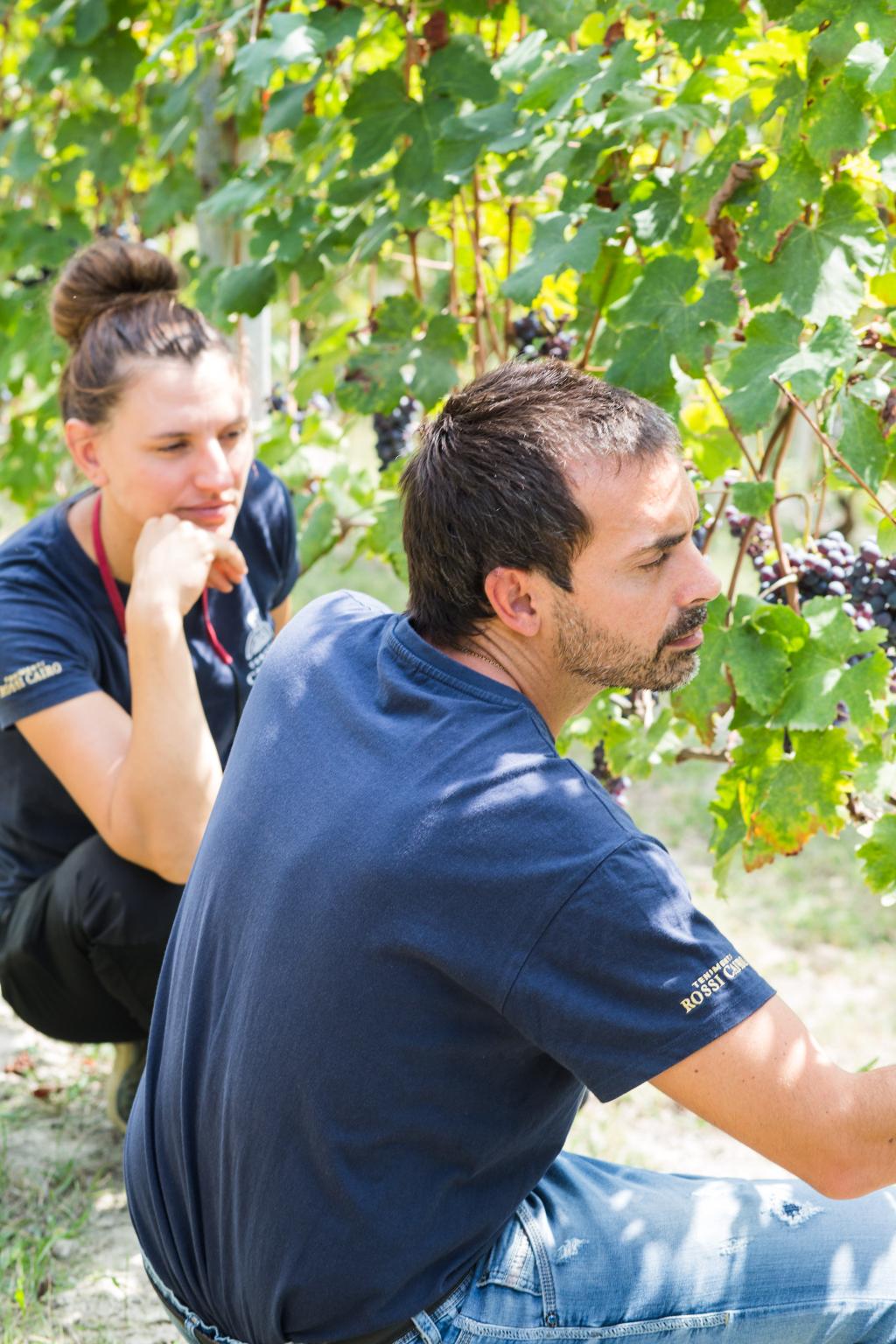
Tenuta Cucco has been organically managed since 2015. The vineyards are grassed and fertilized exclusively with organic products. In the new plantings, grafting combinations have been used to achieve the most balanced yields possible, thanks to less vigorous rootstocks and low-yielding clones. Manual vine thinning then allows for concentrated grapes and the most uniform ripening possible.

— Clara Milani

Biodiversity in Langa

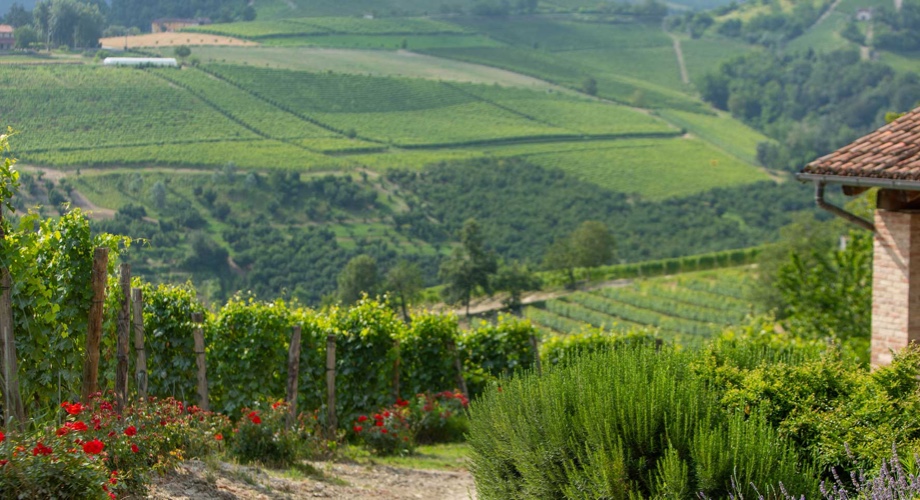
Acting as farmers and winemakers within a UNESCO World Heritage site like the Langhe hills makes these choices even more challenging. In Tenuta Cucco’s vineyards, chopped green manure is used to strengthen soil and plant vitality, and only natural products are used for disease control.

In spring 2021, we began a program of planting local trees: downy oak, hornbeam, field maples, and cherry trees grow along the edges of some vineyards. These interventions are aimed at stimulating biodiversity in this extraordinary environment, with the goal of attracting and protecting insects and animals that make their home here, as well as combating soil erosion. This benefits the entire ecosystem.

Vigna Cucco

Our goal is to produce wines whose quality is an authentic, recognizable reflection of this unique terroir and to contribute, as farmers—whom I consider the land’s primary custodians—to preserving one of the world’s most admired landscapes for future generations.

— Piero Rossi Cairo