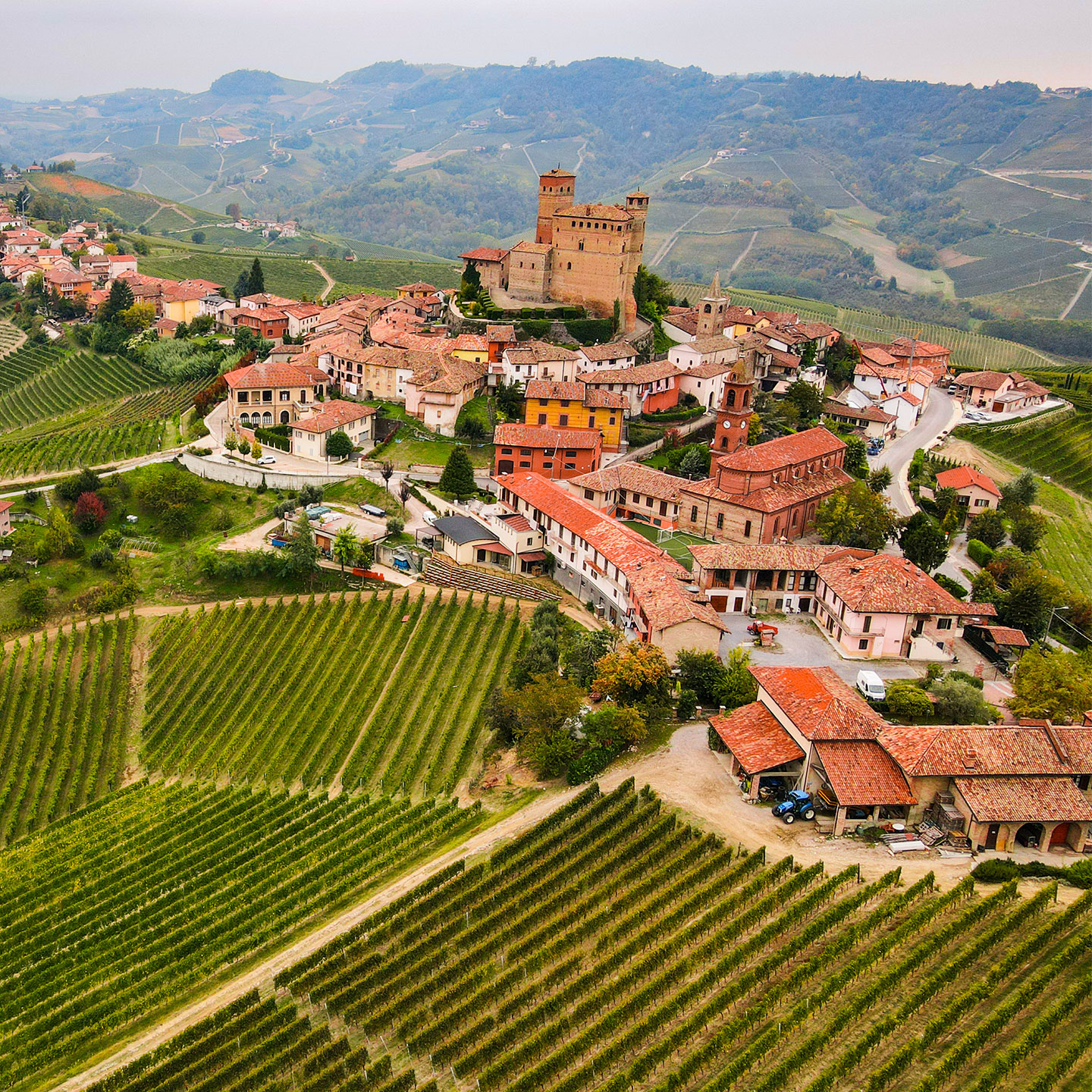
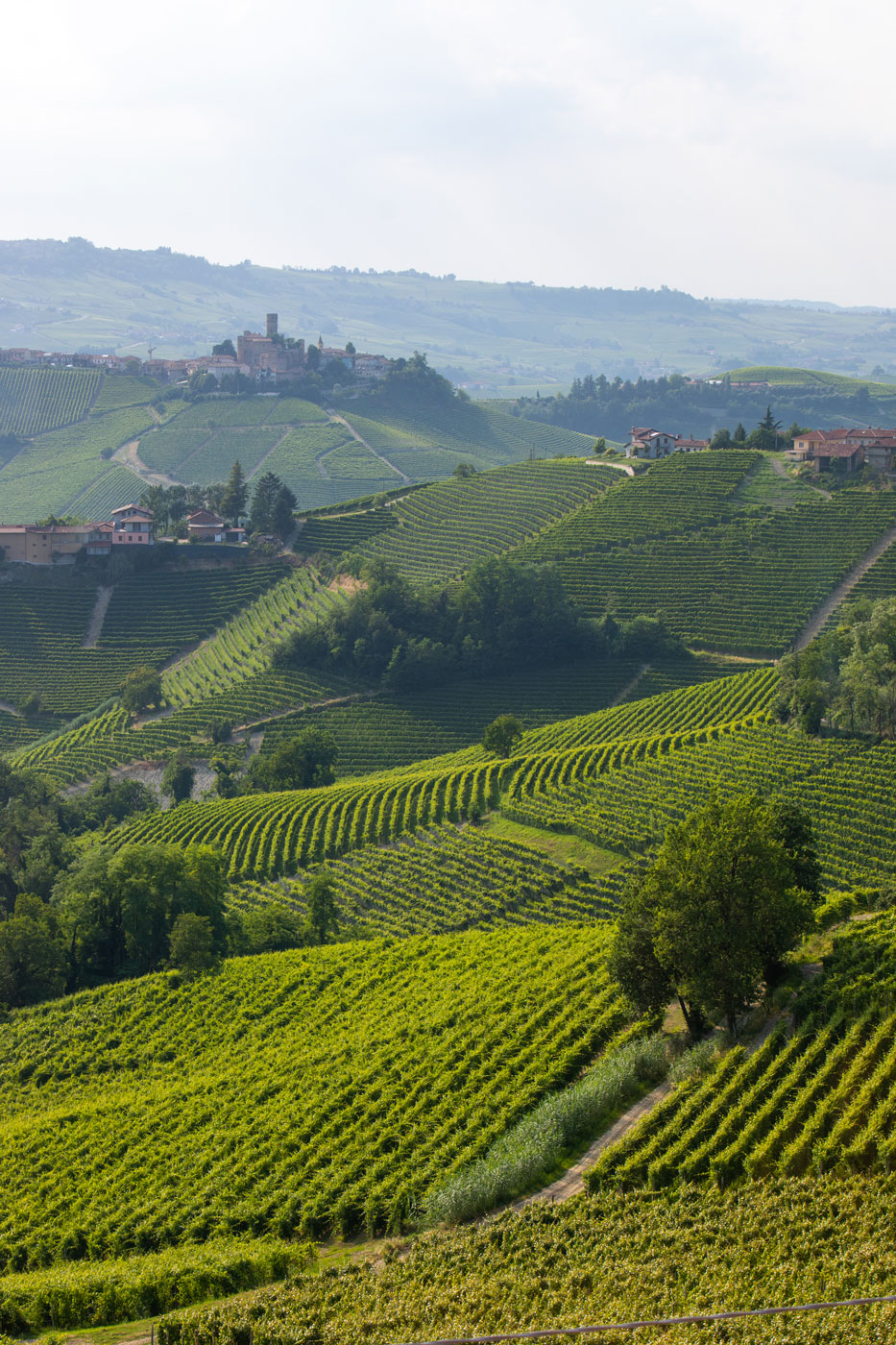
At the eastern edge of the Barolo district – eleven municipalities southwest of Alba – Serralunga d’Alba has long appeared to be the “sleeping beauty” of the zone.
Far from Barolo and its Castle, where the Falletti family that constructed it also built the reputation of their wine, for nearly two centuries Serralunga d’Alba remained a simple village in the vineyards. Only in recent years an age-old secret, known only by local brokers, has been revealed: the greatest Barolo wines, with their structure and longevity, come from the Helvetian marl of Serralunga d’Alba. The leading traders, who spared no expense to bid on supplies of Nebbiolo grapes from Serralunga, relied on the grapes from this town to bring structure and longevity to their Barolo vintages.
Unfortunately, the crisis and poverty that came in the wake of phylloxera and the great depression of 1929 delayed the development and renown of Serralunga D’Alba by nearly a century: for years the vineyards had to divide even the most suitable hillsides with the cultivation of basic nutritional resources. Given the historical context, we can understand why Nebbiolo, considered the noblest vintage but at the time also the least profitable – due to the difficulties in the market for Barolo – was often set aside in favor of the more popular and affordable Dolcetto. Just consider the fact that in 1990 Serralunga d’Alba represented just 11% of total Barolo vineyards, and Nebbiolo in Serralunga covered slightly less than half of the municipality’s grape production.
In a span of about 30 years, things have changed remarkably, and in 2020 Serralunga, with its 345 hectares of grapes for Barolo, accounts for 16% of the entire appellation, while in the town Nebbiolo harvested for Barolo exceeds 65% of the total vineyard area.
Vine growing is an age-old tradition in the Langhe. It started with the arrival of the Romans, who settled in the Alba valley starting in the 1st century BC. The cultivation of grapes and the culture of wine and its trade were established along the Tanaro River, but declined to just personal and local consumption during the Middle Ages.
The Falletti family – responsible in the mid-1300s for the marvelous construction of the manor overlooking the village of Serralunga – attempted to regulate local grape production with strict legal measures. The town charter of Serralunga in 1380 reveals that foreigners caught damaging or cutting more than 15 plants in the vineyards of the property were punished with a large fine, and if by their actions or those of their livestock damage was caused to the grape harvest, the lord of the manor could order the punishment of loss of their right hand!
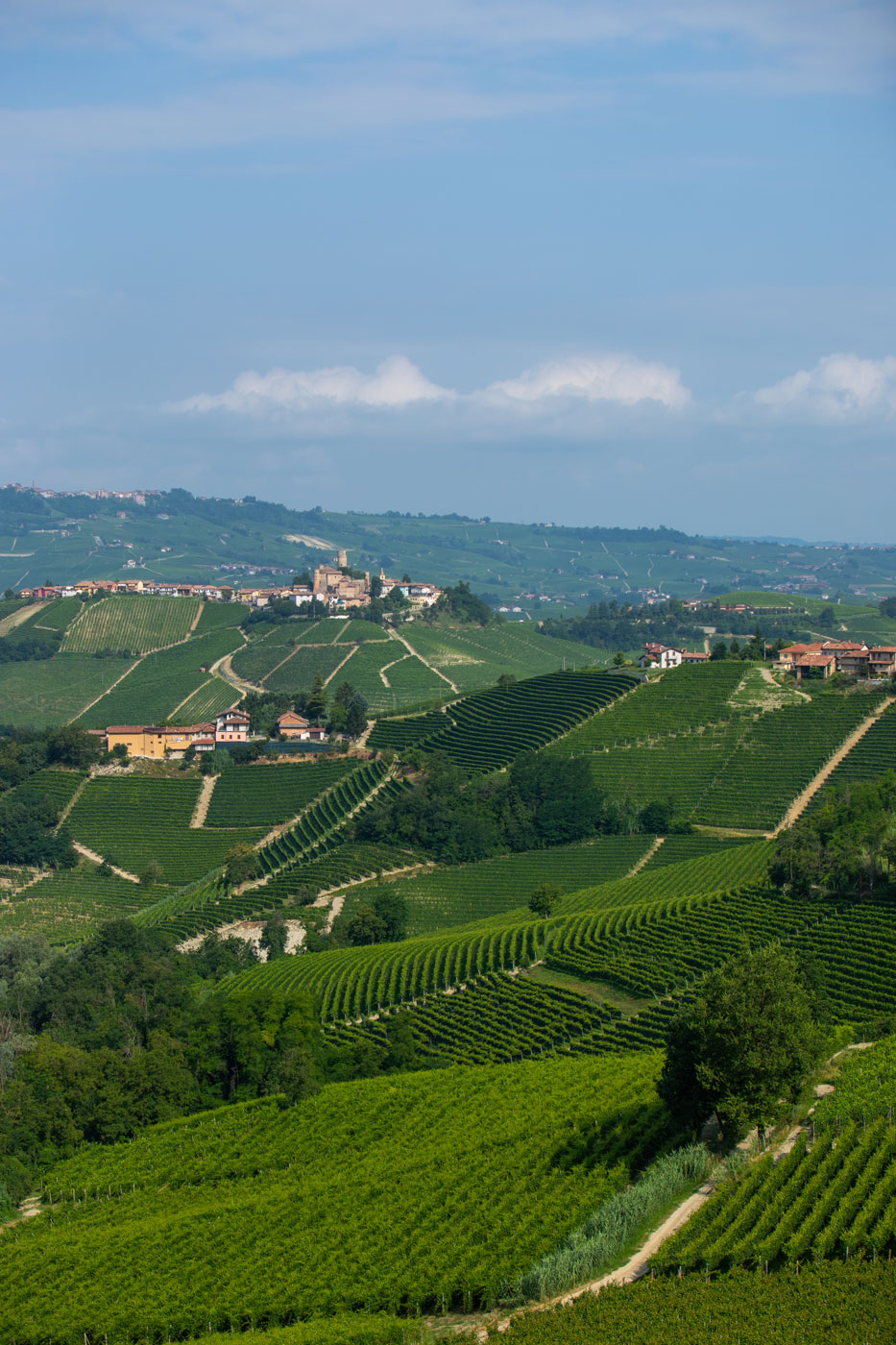
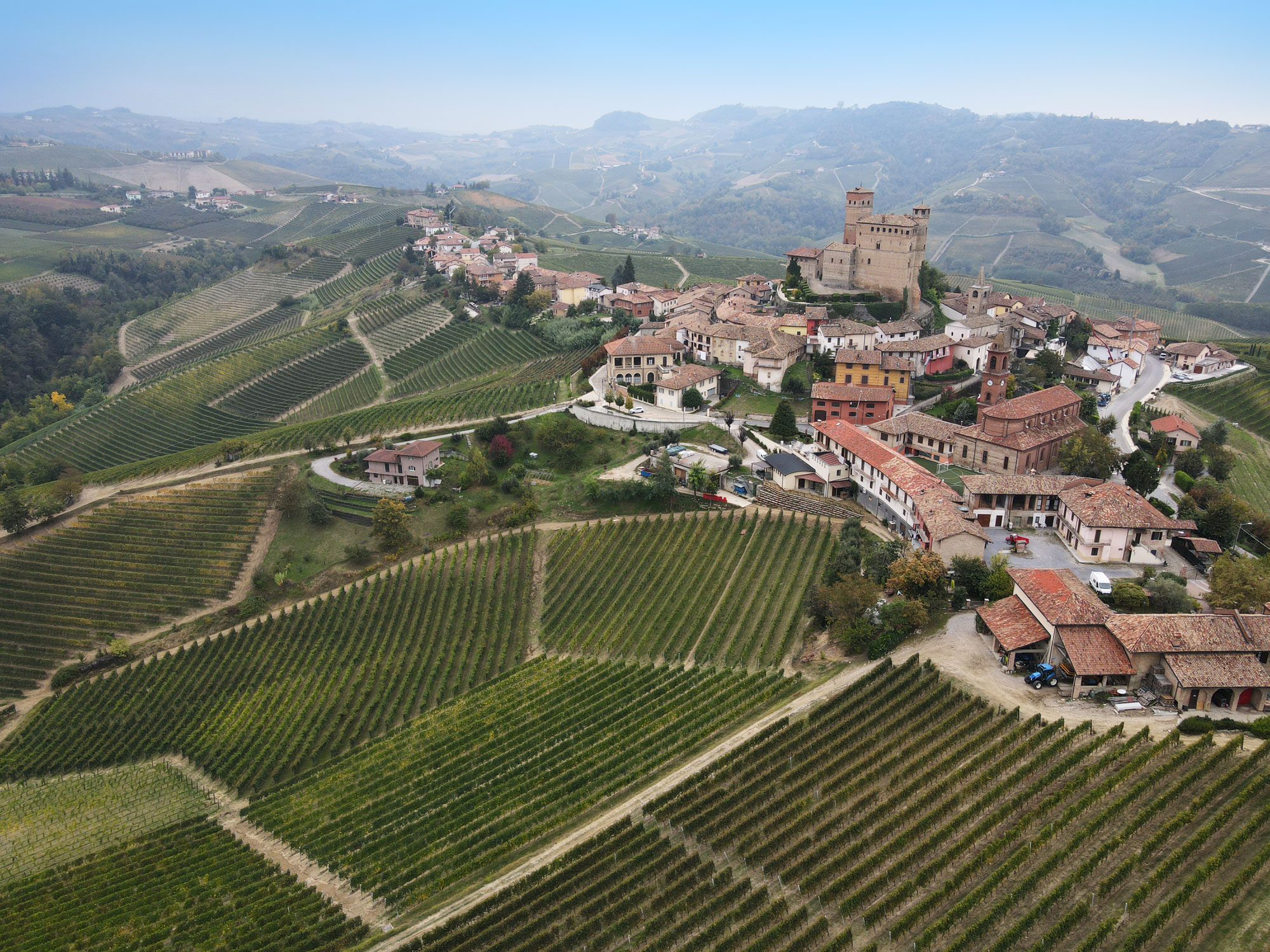
Vines and their precious produce have always been part of the history of this township, in the DNA of its inhabitants, who, for generations, have worked to transform the hills surrounding the small village embracing the walls of the castle.
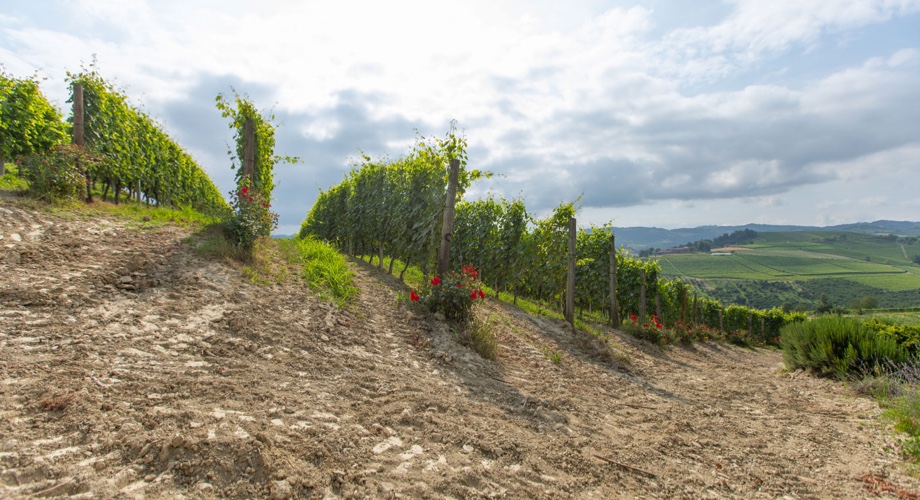
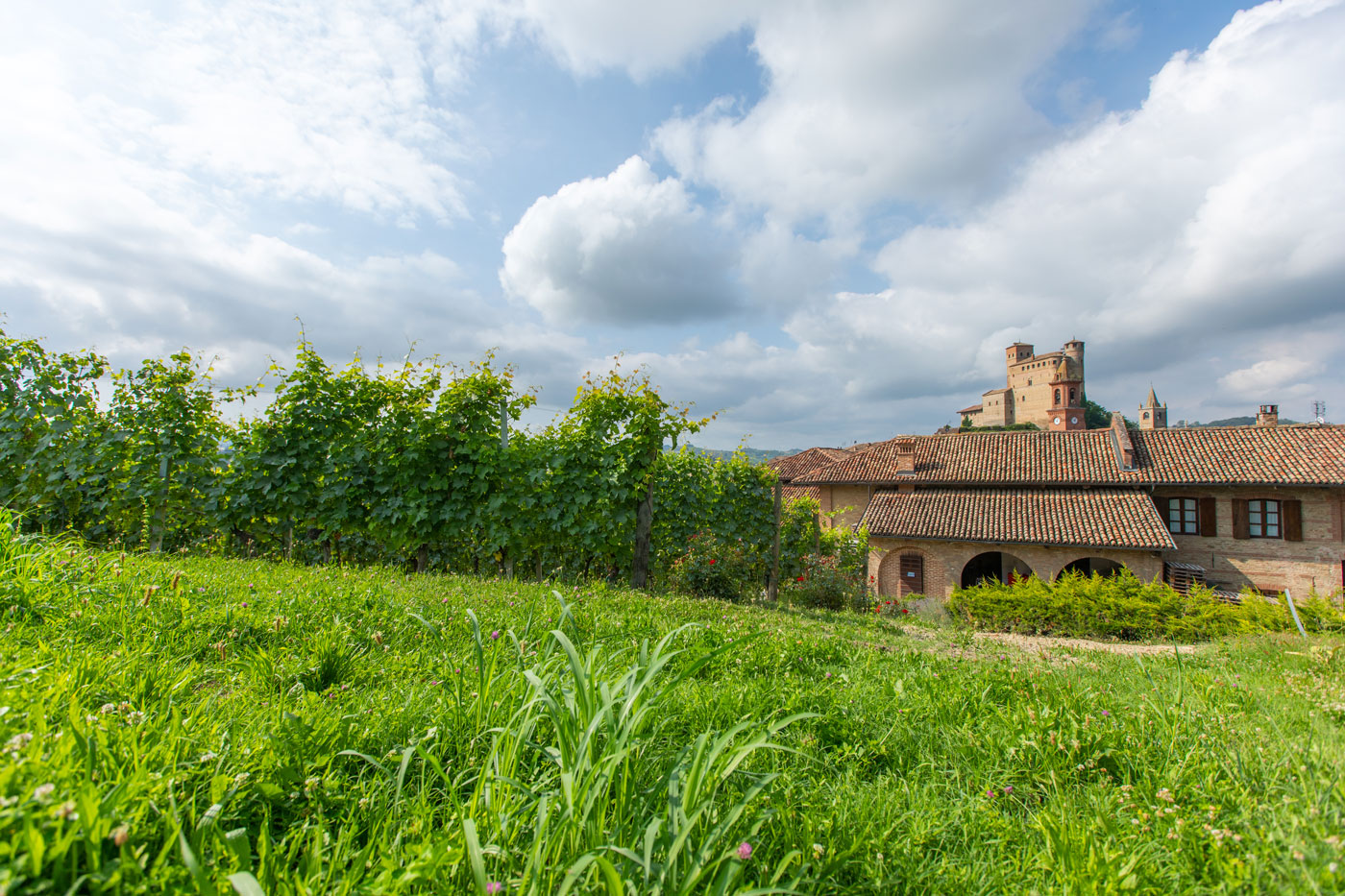
Today, as in past centuries, little or nothing has changed: the Nebbiolo vineyard rows extend right to the walls of the first houses, almost finding their way inside, reflecting the intense bond between this terrain and the art of making wine. The same is true for Tenuta Cucco, at the foot of the castle, with its Cerrati, Vigna Cucco and Bricco Voghera crus that spread in the shadow of the tower, bearing witness to a centuries-old tradition.
A unique context that received world heritage listing by UNESCO in 2014.