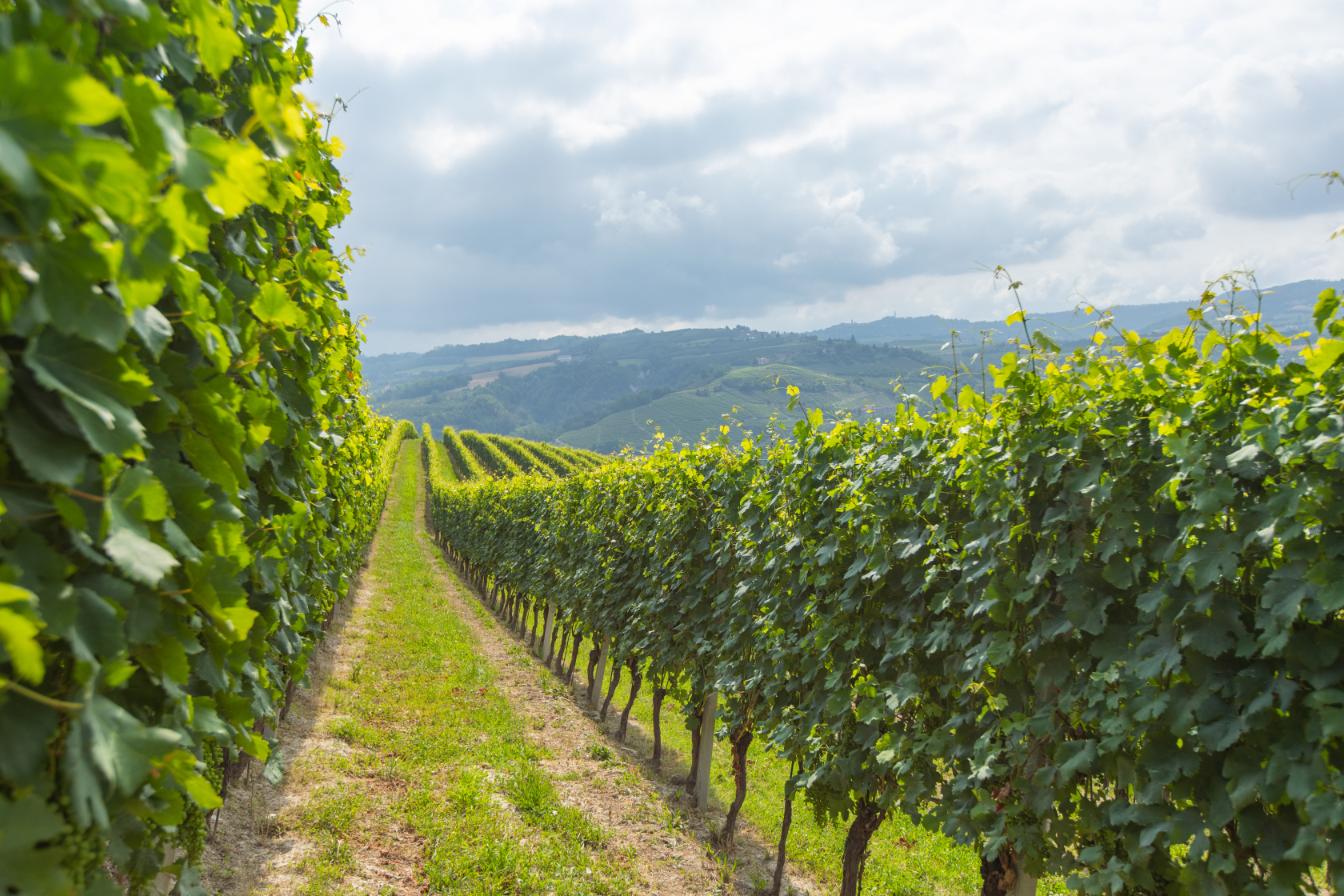
Tenuta Cucco’s crus, Cerrati and Bricco Voghera, are both located on the eastern slopes of the broad Serralunga d’Alba ridge. They have different exposures and, more importantly, are rooted in different soils. Let’s explore them.
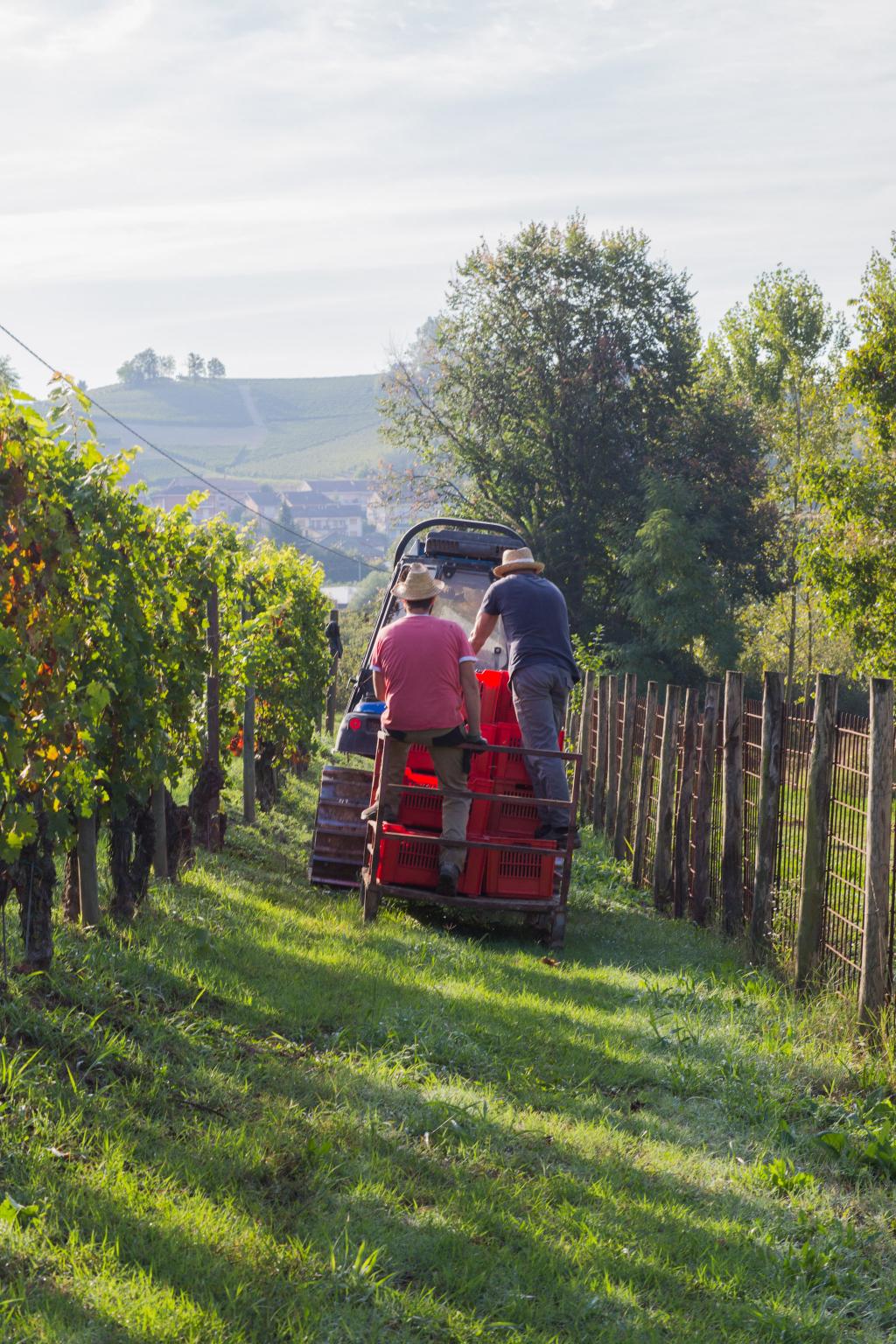
The French term “cru” indicates a vineyard, or the particular position of a vineyard in especially suitable areas, with a special microclimate, capable of producing wines with organoleptic characteristics of exceptional quality, which remain constant and clearly identifiable over time. With respect to the Menzioni Geografiche Aggiuntive (MGA, Additional Geographical Indications) introduced in 2010 – which designate specifically suitable portions of the territory, which can belong to multiple producers – the term cru is closer to the concept of the individual vineyard, pertaining to a single company with unique, special characteristics.
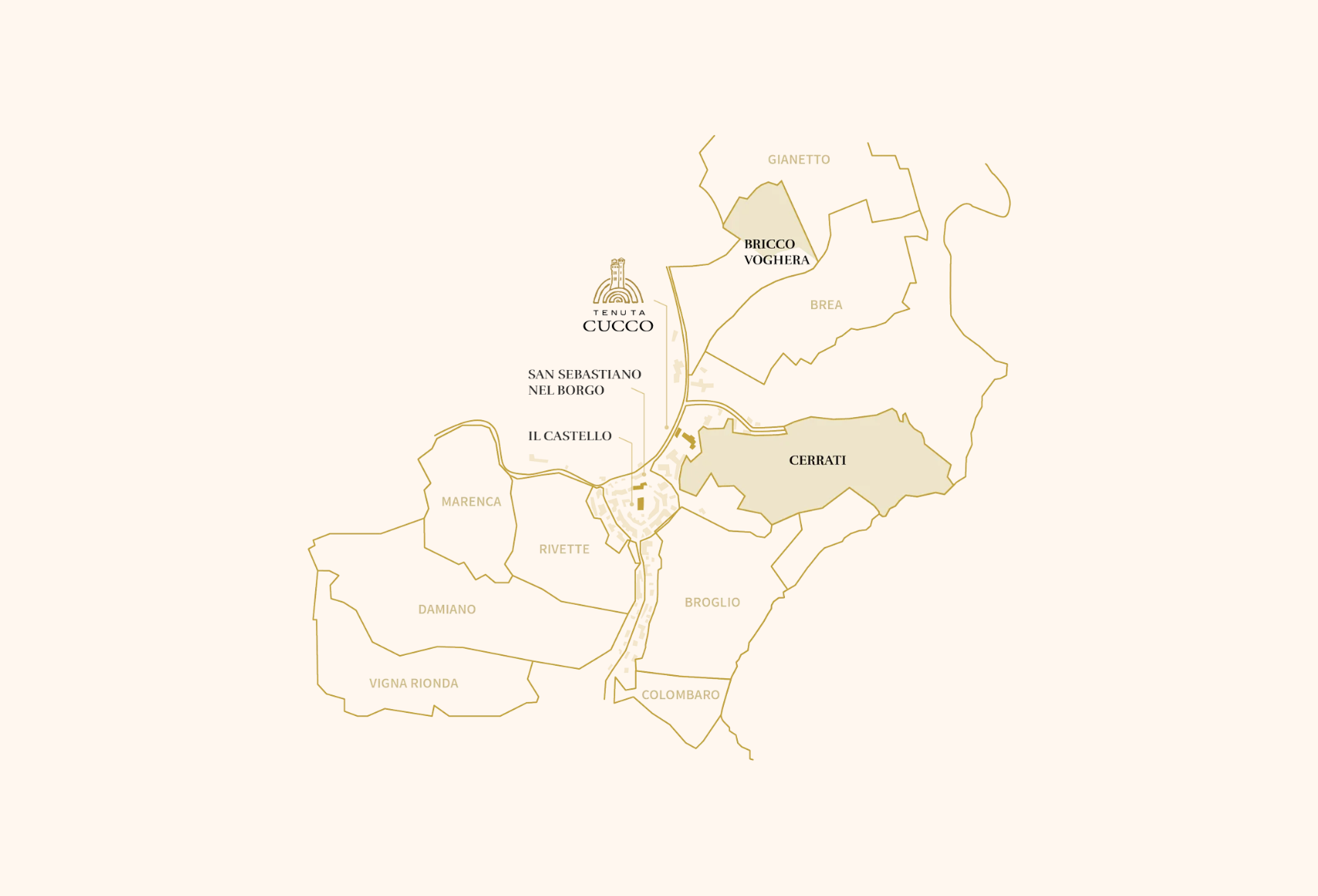
To describe our Barolo wines, we use the cru definition to the extent that Barolo Cerrati, Riserva Vigna Cucco and Bricco Voghera originate from a portion of the larger areas of MGA Cerrati and Bricco Voghera.
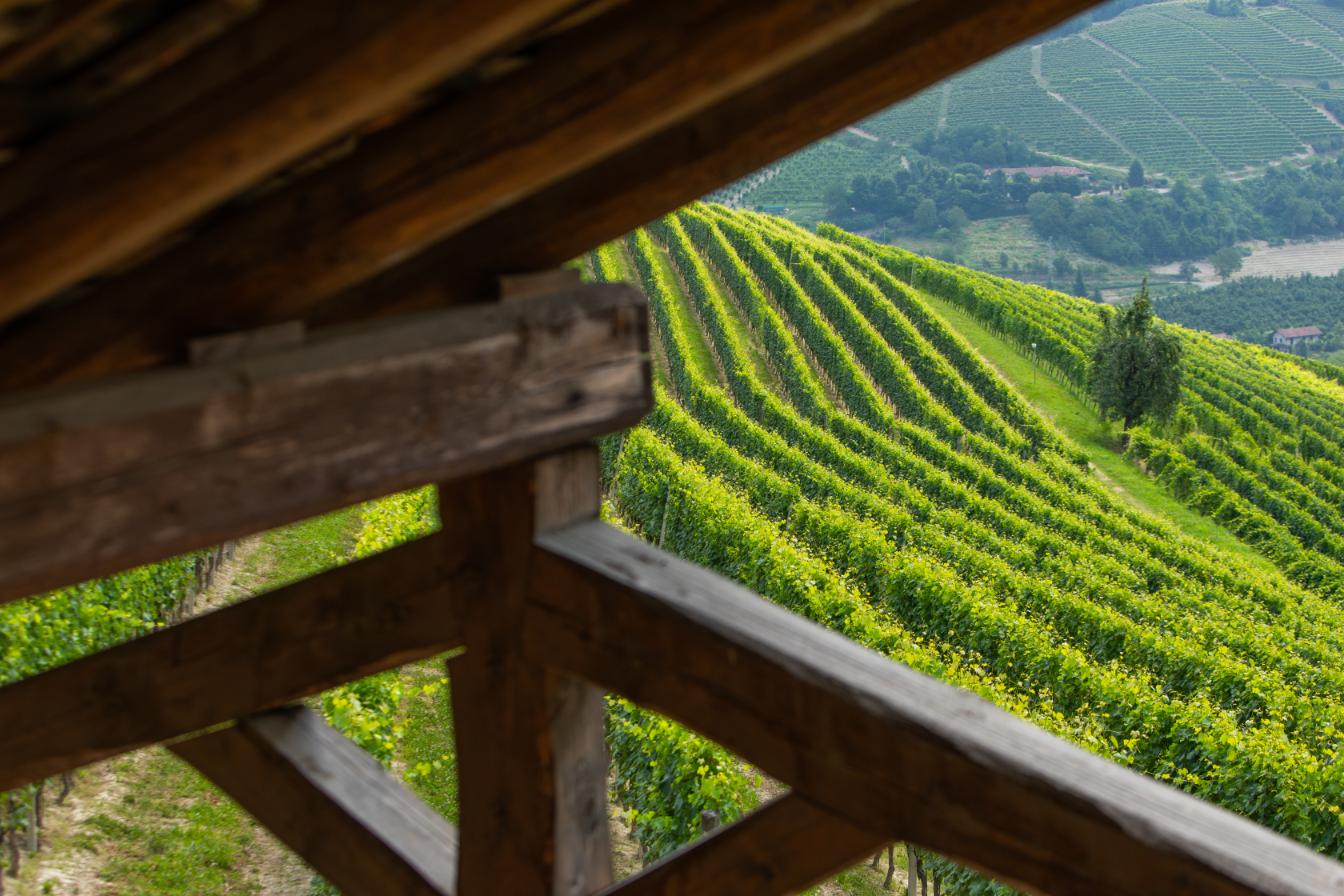
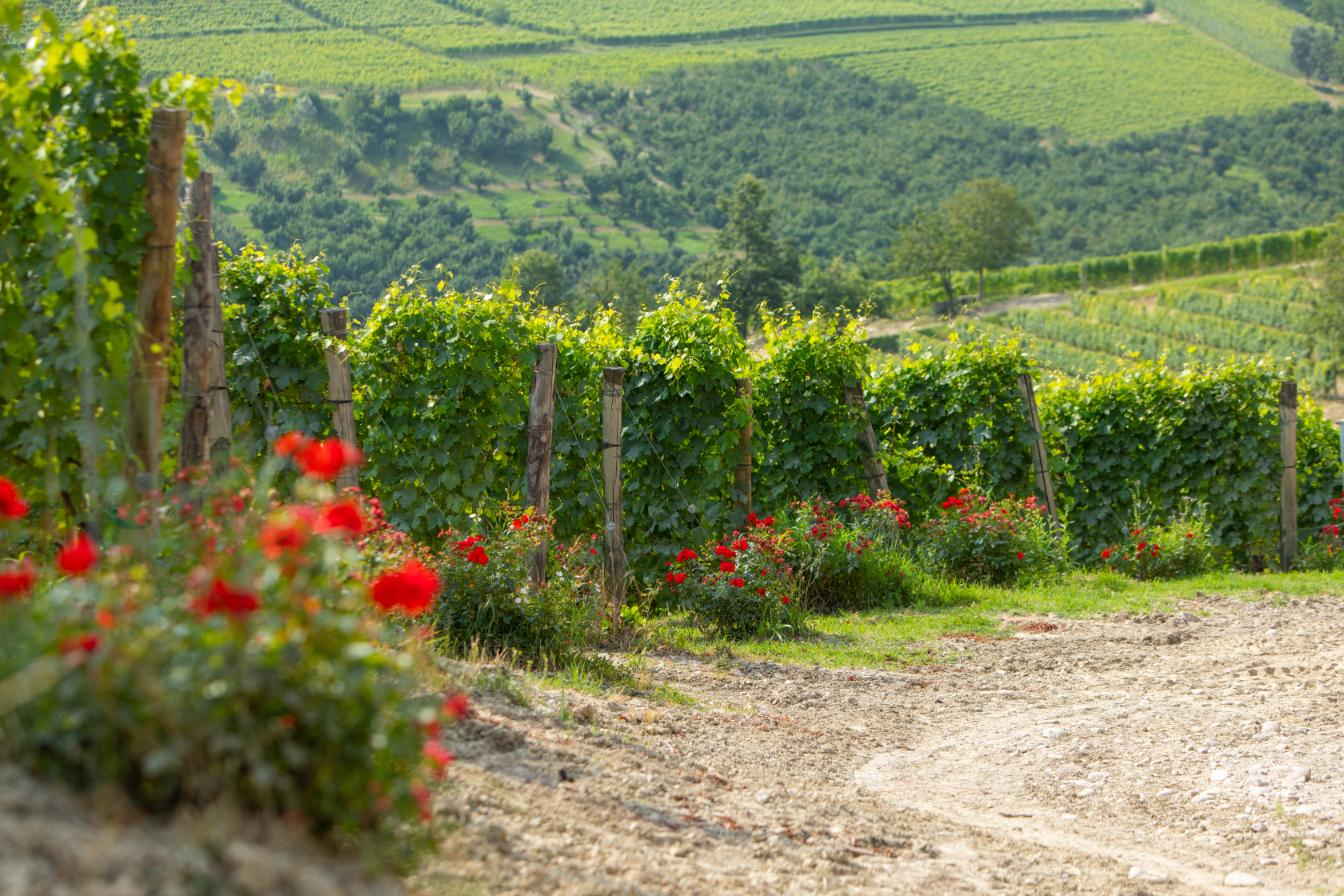
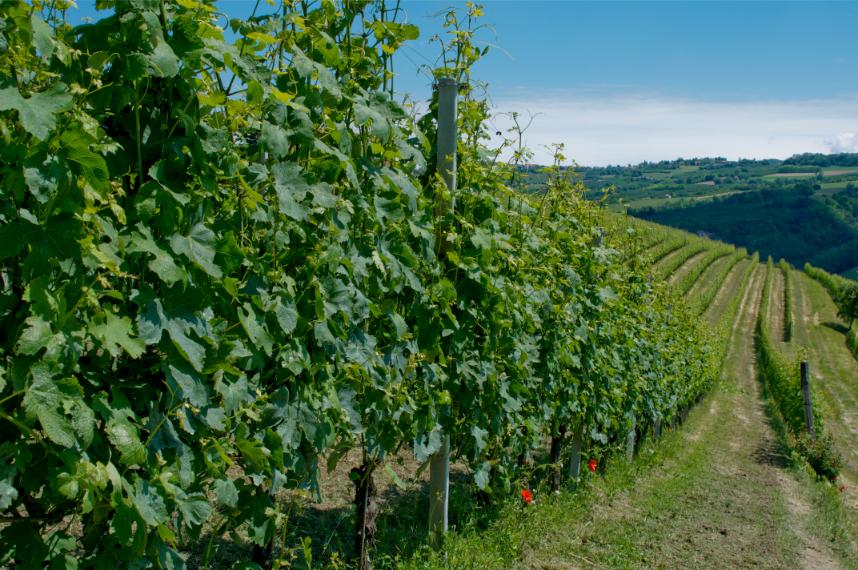
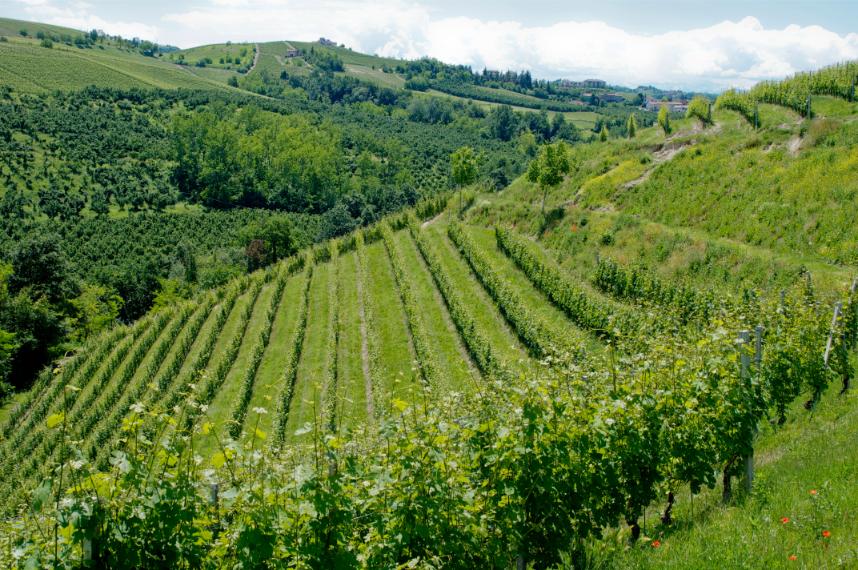
The Cerrati and Bricco Voghera crus are both located along the eastern slope of the long crest of Serralunga d’Alba. In these vineyard portions, which correspond to the higher part of the hill with the best exposure, the microclimate is more suitable for ripening. In the spring we carry out selective thinning, which is fundamental to achieve optimal ripening of the individual bunches, which are vinified separately. The work of the cellar has the main objective of conserving, interpreting and enhancing the identities of these two extraordinary crus. These identities are the result of the respective exposure to sunlight – south/southeast for Cerrati, west for Bricco Voghera – and of the soil composition: with a larger quota of limestone in Cerrati, and of clay in Bricco Voghera.
We are therefore looking at two crus with very precise and somehow complementary, reciprocal characteristics.
So it is interesting to bring them together on the table, as well.
Use < and > to look in detail at the maps of our territory
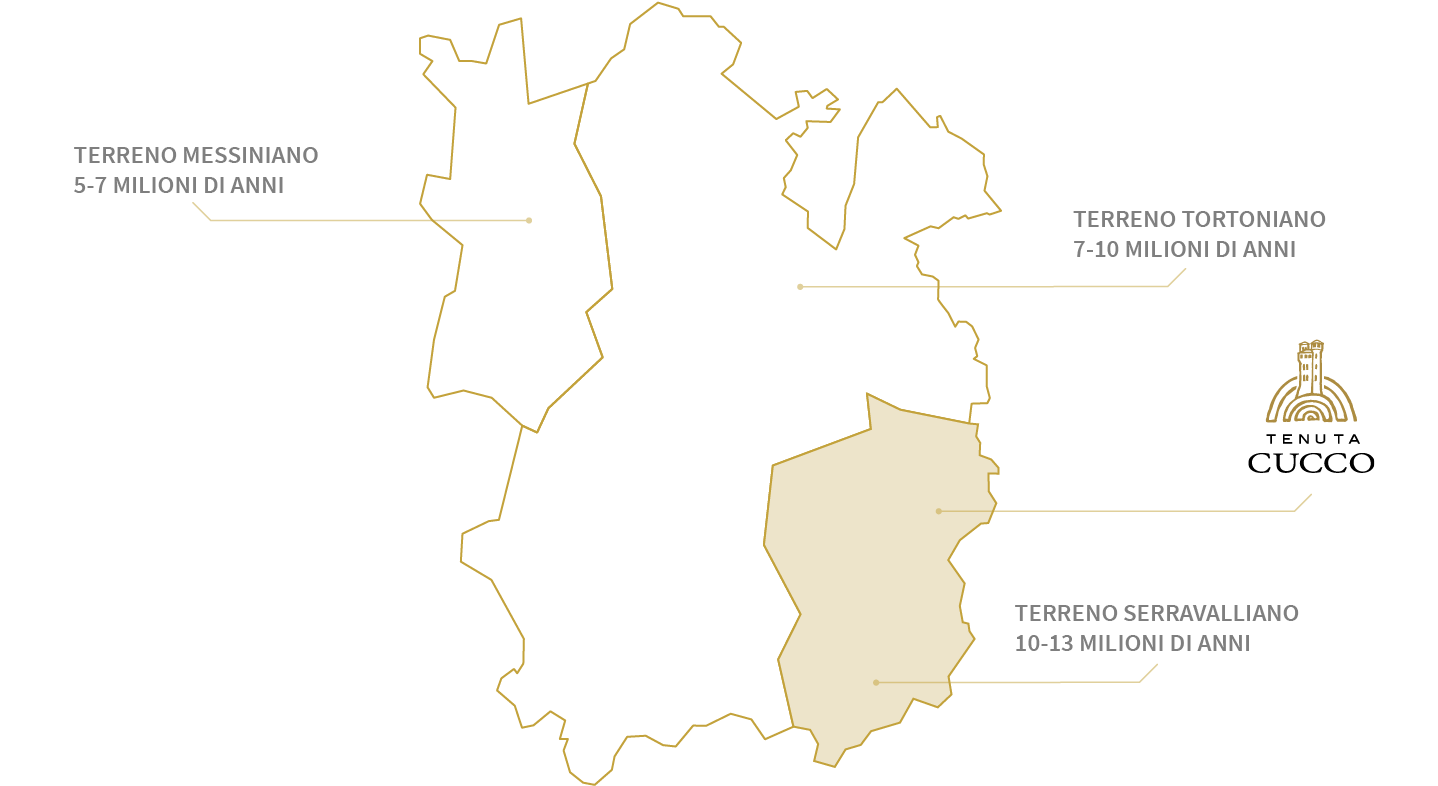
Use < and > to look in detail at the maps of our territory
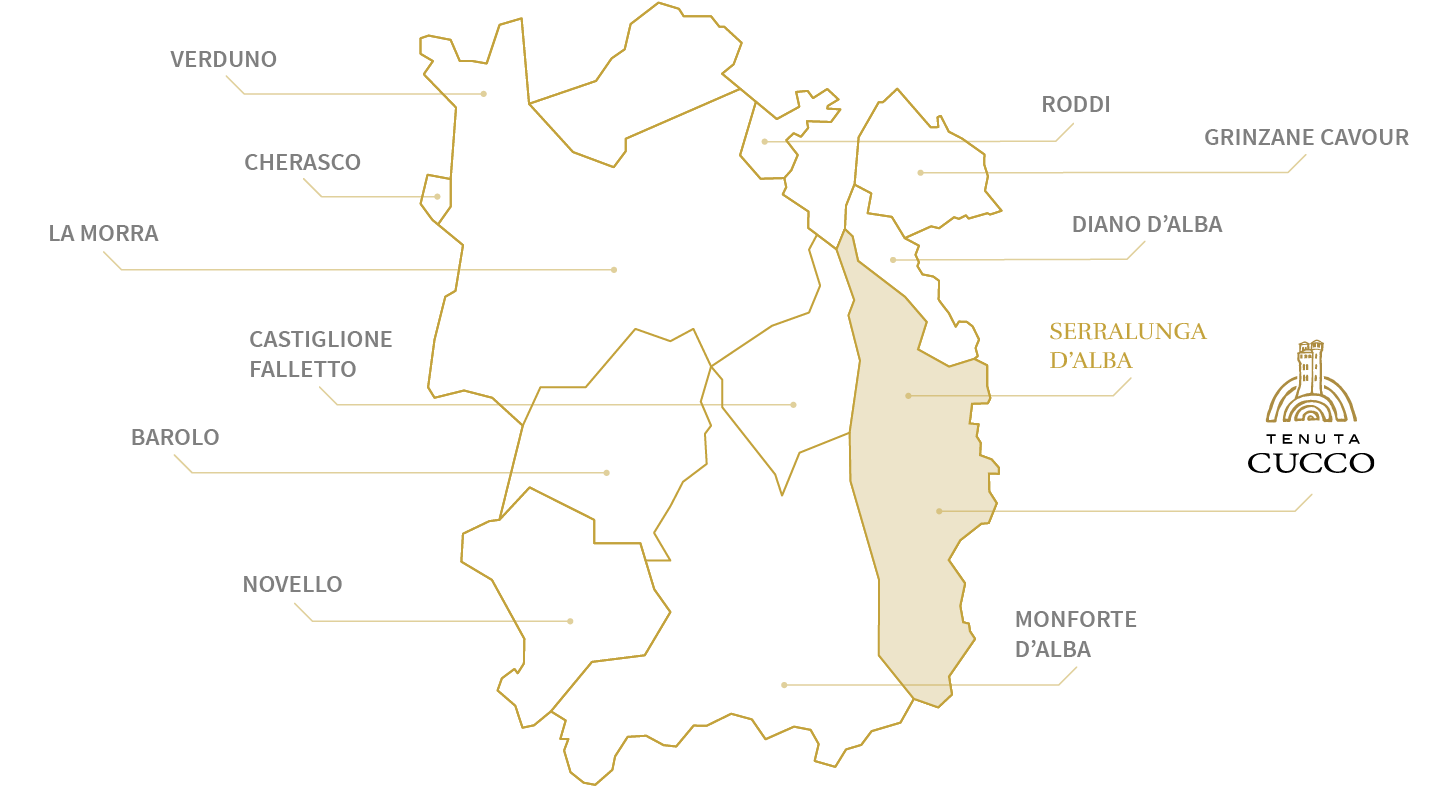
Use < and > to look in detail at the maps of our territory
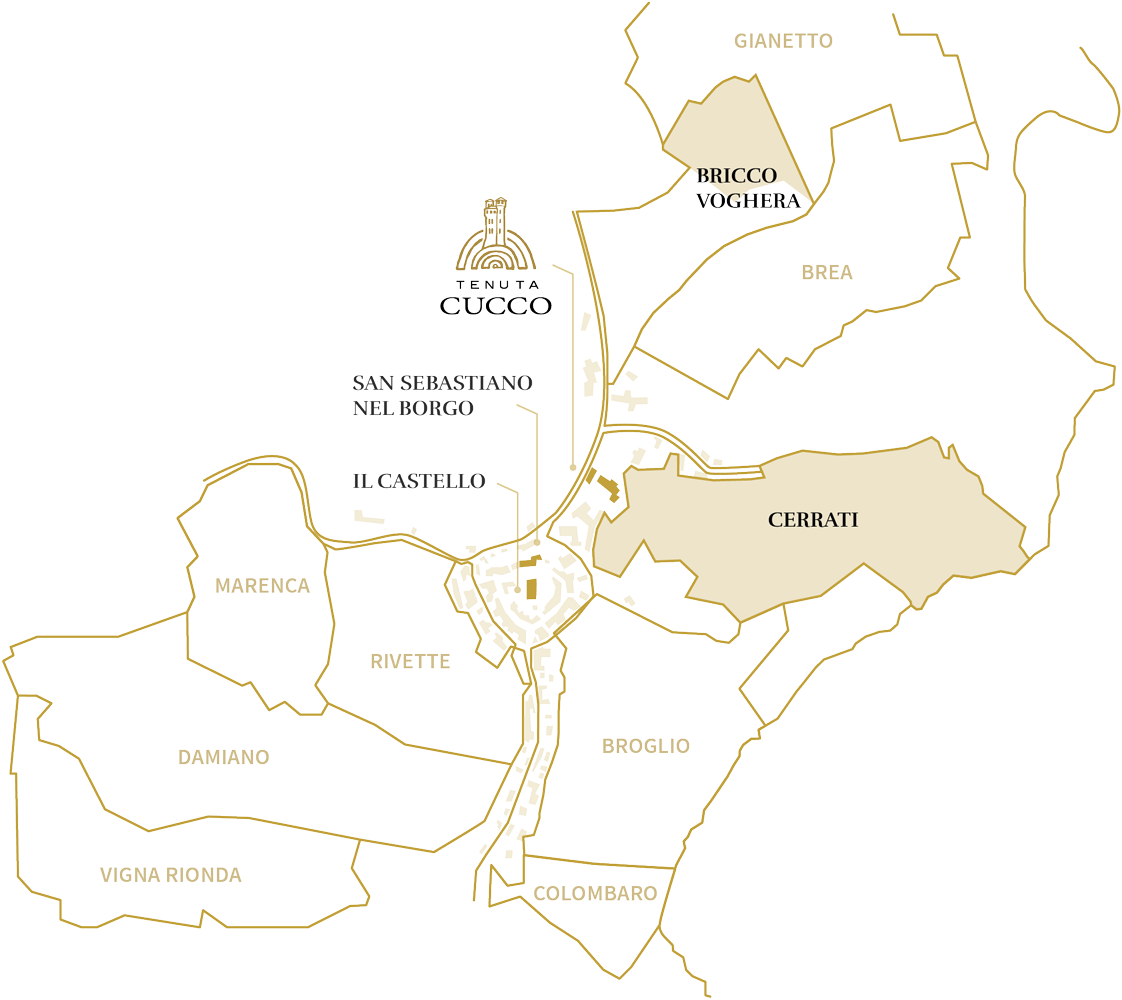


An entire hill planted with Nebbiolo vines, a name that recalls the village: this is the ancient Posteirone, now Cerrati. A marvelous cru, with a perfect southern exposure.
The Bricco Voghera cru will debut on the market next September with the 2017 vintage. Excellent exposure, soil with a good amount of clay, and ancient vines are the prerequisites for a great new Langa wine.